

Good morning and happy Wednesday.
We officially have a face-off — and it’s not the unhinged 1997 thriller featuring Nicolas Cage and John Travolta.
This one is about hockey, namely two proposed lines of 32 exchange-traded funds, or one for each team in the National Hockey League. Not to be outdone by Volatility Shares’ recent filing for its NHL ETFs, Roundhill filed late last week for its own. Both franchises would track indexes that attempt to measure the performance of individual teams over a season. In that, they differ from the event contract funds that issuers have filed for. But, the hockey ETFs would bring funds into sports betting for the first time.
If the Securities and Exchange Commission doesn’t put the funds in the penalty box, the earliest they could launch is around early November, or over a month after hockey season officially starts. At least somebody’s keeping the bench warm.
Lego Sales Surge as Toymaker Shuns Design Help from AI
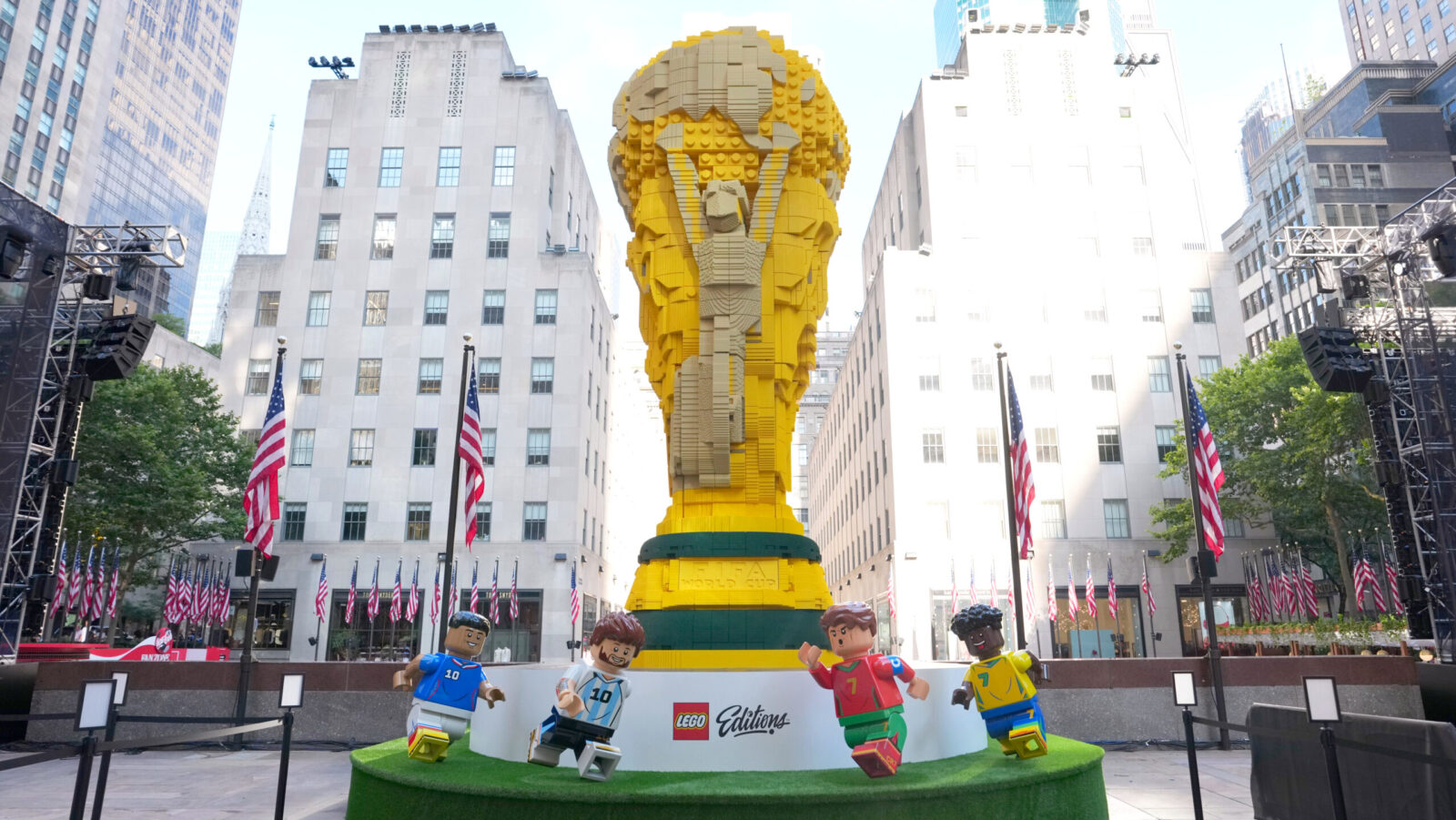
There are way more Legos on the ground ready to inflict pain on feet around the world, with the toymaker reporting yesterday that its revenue surged 21% in the first half of the year. The Danish company’s operating profit jumped 22% as sets designed for both kids and their parents continued to fly off shelves.
Lego’s sales growth outpaced the wider US toy market’s, which jumped 17% for its strongest six months in six years, Circana found. Rival toymakers Mattel and Hasbro have also reported sales growth so far this year, but Lego outpaced both.
Still, Lego is only human, and it very much intends to stay that way. Its CEO attributes its success, at least in part, to its decision to rely on human creativity in an AI age.
AI Just Doesn’t Get It, Says Lego
Just like stepping on the sharp blocks is a purely human experience, so too is designing Lego’s brick sets. And that’s intentional. Lego’s data suggests algorithms can’t emotionally or tactilely connect with kids. So the company doesn’t allow AI to help with product design, Lego CEO Niels Christiansen said:
- Lego’s human designers debuted more than 330 new sets in the first half of this year. The company lets employees use AI for less creative tasks, like admin, with the aim of freeing designers’ time to think about the next botanical set (a string-of-pearls plant maybe?).
- Competitors, meanwhile, aren’t as AI-averse. Mattel partnered with OpenAI last year to create toys using AI, but in December delayed plans to release any. Hasbro in June launched an AI studio called Sixth Wall, where it’s creating AI versions of characters including Mr. Potato Head (don’t ask him who Andy’s favorite toy is).
Lego’s No Luddite: Lego’s not ignoring the digital dimension, however. Its partnership with Fortnite-maker Epic Games brings Lego designs into the video game and Fortnite avatars and items (hello, Lego Supply Llama) into the physical world. The toymaker also launched a digitized version of its plastic blocks this year that uses sensors to react to motion with lights and sounds, like a birthday cake that plays a song when its candles are “blown out.”