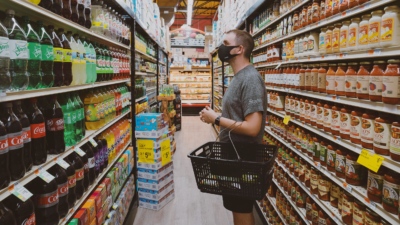
The CPI rose just 0.3% from the previous month. Perhaps most importantly, the annual core rate fell from a year earlier.
Our daily email brings you smart and engaging news and analysis on the biggest stories in business and finance. For free.
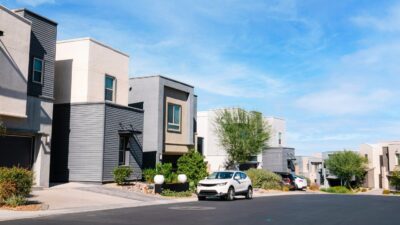
A New York Fed survey found renters saying their probability of ever owning a home fell to 40.1%, a new low.
Sick of waiting for the Federal Reserve to make a move, home buyers and sellers seem to be accepting the market for what it is.
Home prices in the Lone Star State’s capital have dropped 12% since 2022 — the largest decline of any US city.
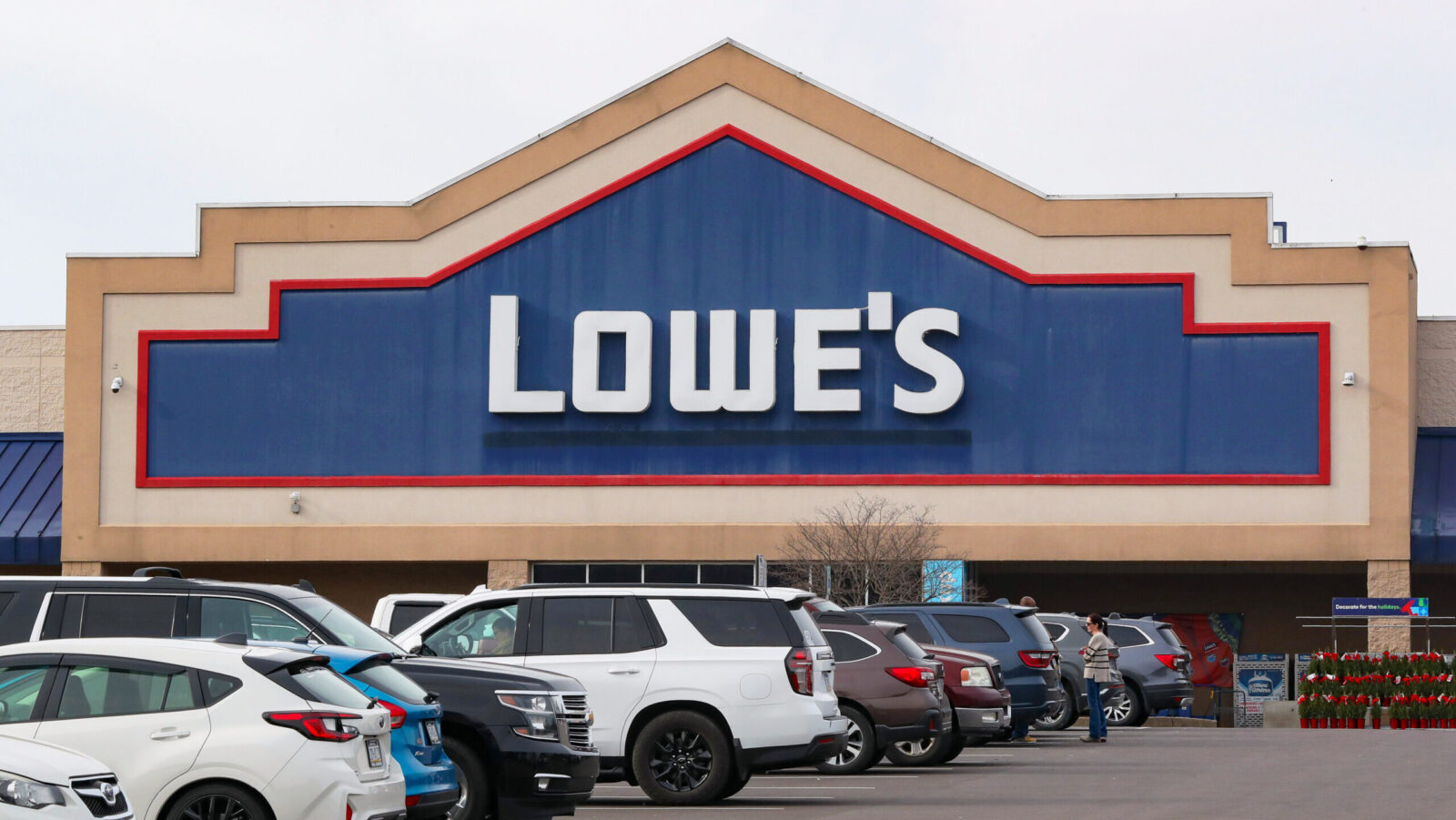
With home sales continuing to limp along, Home Depot and Lowe’s are reporting that do-it-yourselfers are cutting back on projects.
More than a quarter of all US home sales were bought by investors in the last quarter, a new all-time high.
US citizens under 40 took some of that pandemic fiscal stimulus and plowed it into a booming stock market.
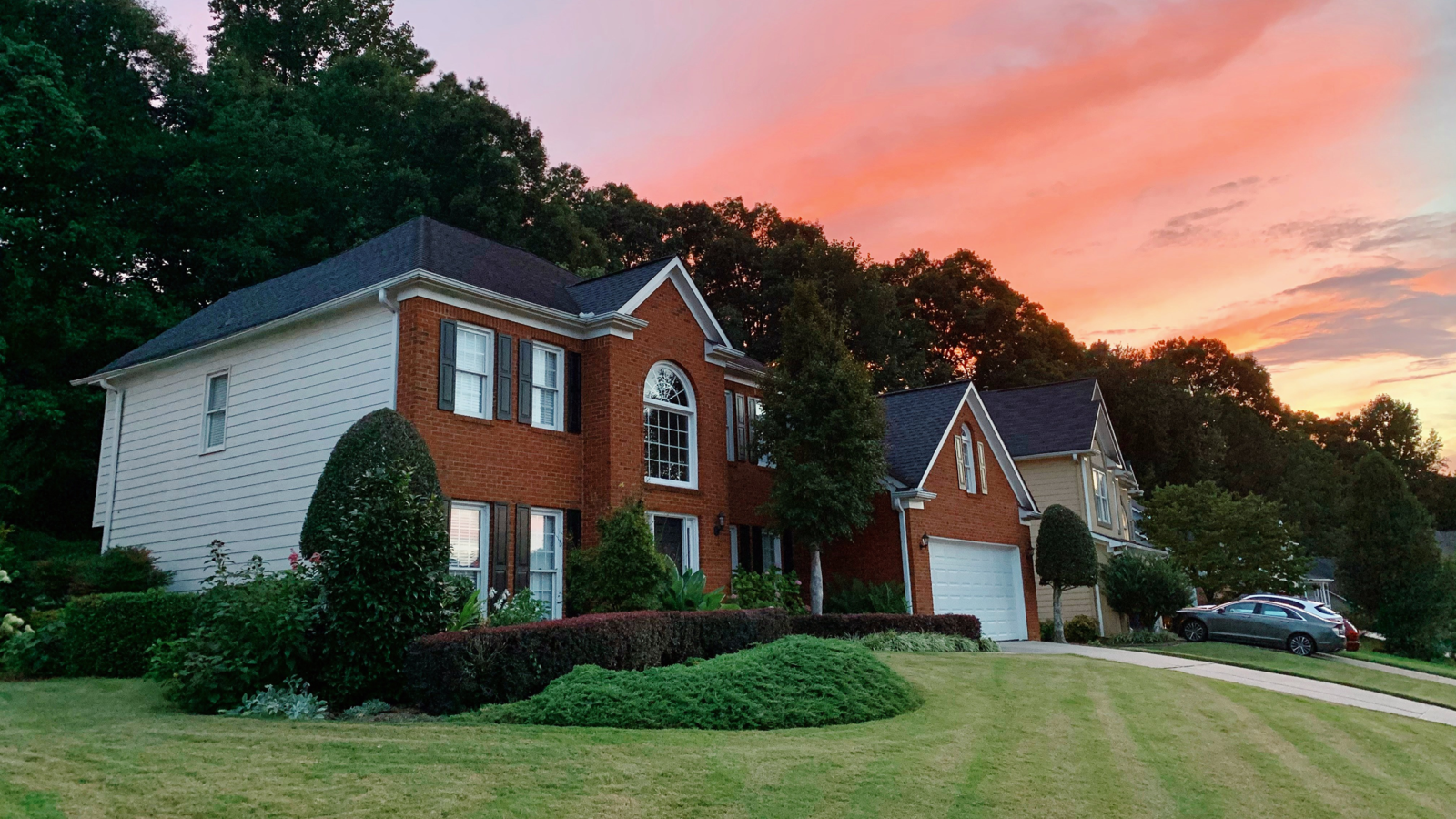
Empty-nest Boomers have been reluctant to sell their larger houses, which is making it hard for younger families to find starter homes.
Prospective homebuyers face limited supply, historically high mortgage rates, plus increasingly high homeowners association fees.
Shares of leading US homebuilders have plummeted since an industry-wide peak in July, according to a Financial Times analysis.
As housing prices reach record highs nationwide – against quite a few forecasts at the start of the year – buying a home is now completely unaffordable in most parts of the country for the average American.
The U.S. Economy is taking Americans for a ride, interest rates hit a 23-year high at 8.34 percent on 30-year mortgages.
US mortgage rates have climbed past 7.5% — further tightening an increasingly impossible-to-crack housing market.
On Tuesday, the S&P 500 and the Nasdaq 100 both sank to their lowest respective levels in three months. What has investors so anxious?
Low supply, high prices, and the climbing costs of borrowing have created one of the least affordable US housing markets in decades.