The big money firm is teaming up with Nvidia, Kuwait’s sovereign wealth fund, and Texas energy producer Vistra to build data centers.
Our daily email brings you smart and engaging news and analysis on the biggest stories in business and finance. For free.

Capital expenditures continue to balloon and the company plans to raise another $40 billion through debt and equity financing.
There’s been a bit of a vibe shift since Nvidia CEO Jensen Huang tabbed Marvell as “next trillion-dollar company” just a week ago.
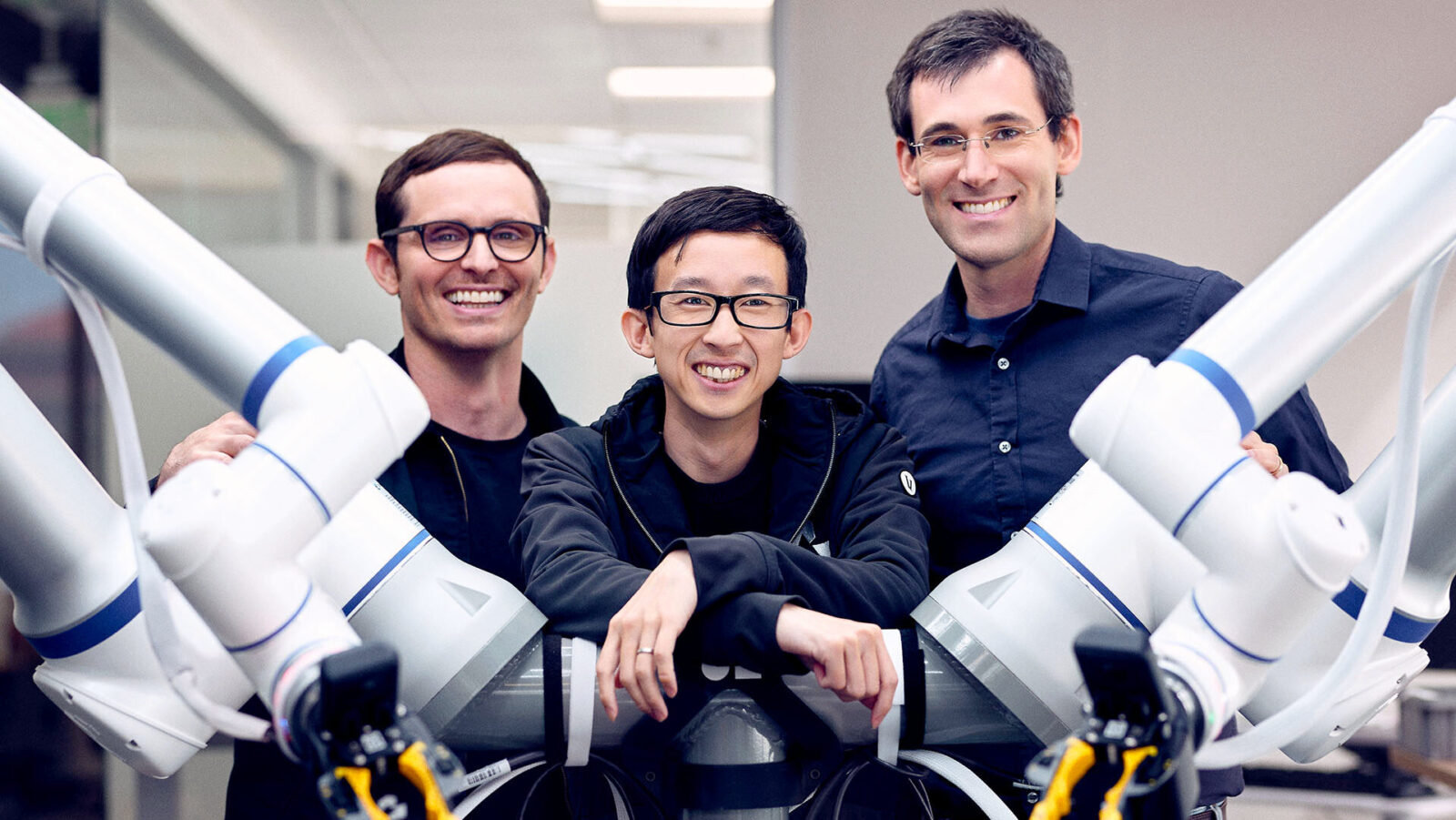
Training the AI robots that can interact in the physical world requires a gargantuan set of relevant training data that doesn’t yet exist.
A share price rally pushed ASML’s market cap to $668 billion on Wednesday, beating a European record set by Novo Nordisk in June 2024.
Running AI agents around the clock can consume hundreds of millions, or even billions, of tokens (units of data) a week.
High-bandwidth memory now accounts for roughly two-thirds of the total AI chip component cost, up from about 50% in early 2024.
SoftBank is one of OpenAI’s top shareholders, having built up a $64.6 billion, 13% stake in the ChatGPT maker.
The Chinese company was blacklisted from receiving advanced semiconductor technology in 2019 over national-security concerns.
In a call with analysts Wednesday, CFO Colette Kress confirmed that the company generated zero revenue from H200 sales to China.
The reading on the University of Michigan’s consumer sentiment survey has recently plummeted to near all-time lows.
The US did approve 10 Chinese firms as buyers for the H200, Nvidia’s second-most powerful AI chip, though no purchases have yet been made.
The types of chips that will keep AI’s momentum up are different from those that trained it, creating an opening for rivals to Nvidia.
Cerebras says its chips can perform inference work faster than Nvidia’s GPUs, which are less specialized for inference work.
Corning, the company that invented Pyrex, is commanding Wall Street’s attention as a supplier of fiber optics for AI.
Apple’s supply chain and manufacturing dependencies have turned problematic in the age of tariffs and friend-shoring.